
Impact.
The vulnerable communities of the Sundarbans are identifying their own challenges and taking both collective and individual action to address them. These efforts reflect a deepening understanding of local issues and a growing adoption of positive, sustainable behaviours.
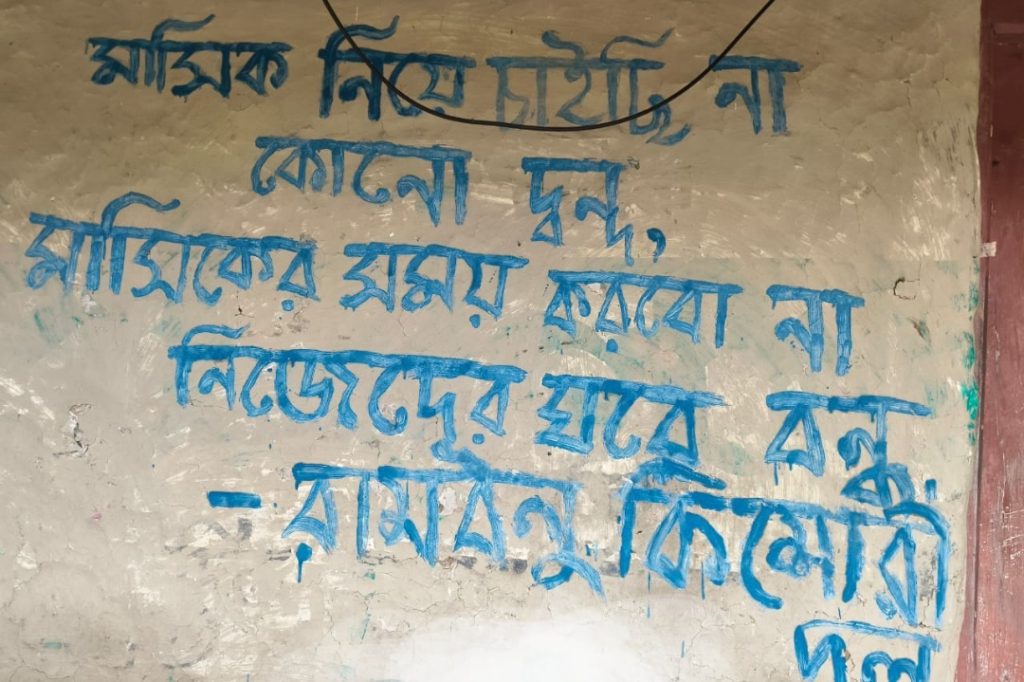
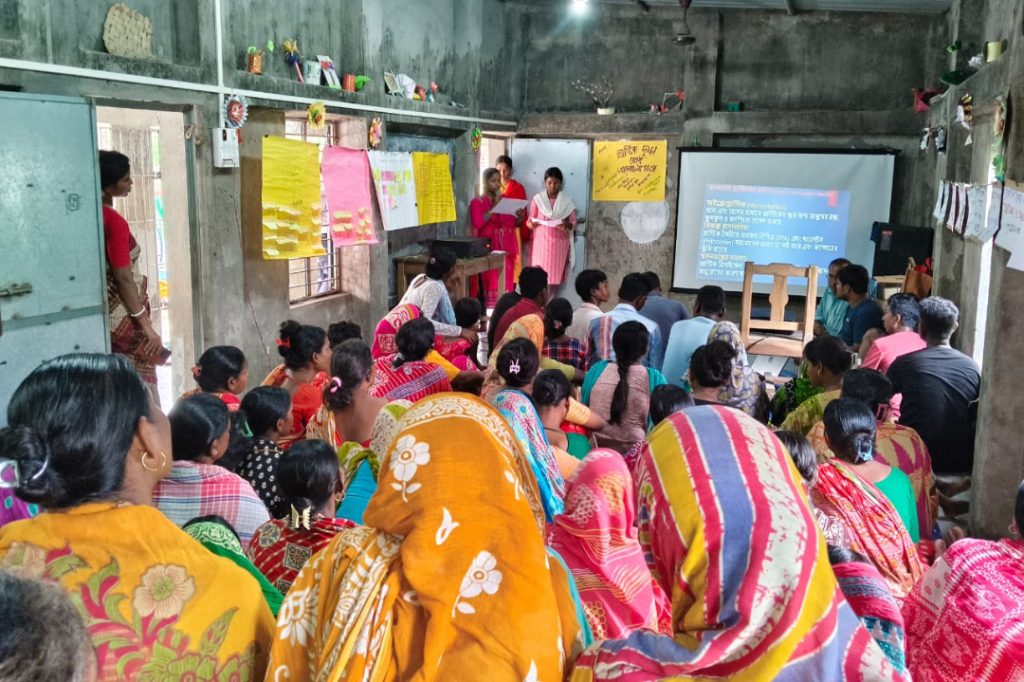
Menstrual Health and Hygiene
Behavioural and attitudinal changes regarding menstrual health have been observed among approximately 93 girls, 105 women, 86 men and 130 boys in the project’s focus families.
- Boys and Men: Boys have begun discussing menstruation within their families and sharing knowledge with peers, reaching Stage 3 of transformation. Men have a similar level of understanding but remain hesitant to discuss the issue openly.
- Girls: They now understand menstruation and have been steadily changing their practices for over two years, reaching a stage of transformation.
- Women: Women have developed awareness of myths and misconceptions surrounding menstruation and are challenging them.
Combating Plastic Pollution
Adolescent groups, women’s groups, farmers’ groups and over 300 families across four villages are actively working to reduce plastic pollution.
- Practices: Forty boys and girls regularly collect plastic bags from roads and homes, sending them to the Plastic Management Unit run by the gram panchayat. They have analysed root causes and created action plans, including rallies, collection drives, and household cleaning.
- Collaboration: Adolescent and women’s collectives have joined gram panchayat initiatives to make all eight villages plastic‑free, engaging SHGs, community members, and market committees.
- Transformation Stage: These changes are progressing toward scaling up and sustaining plastic‑free practices.
Water, Sanitation and Hygiene (WASH)
The project has strengthened water and sanitation practices.
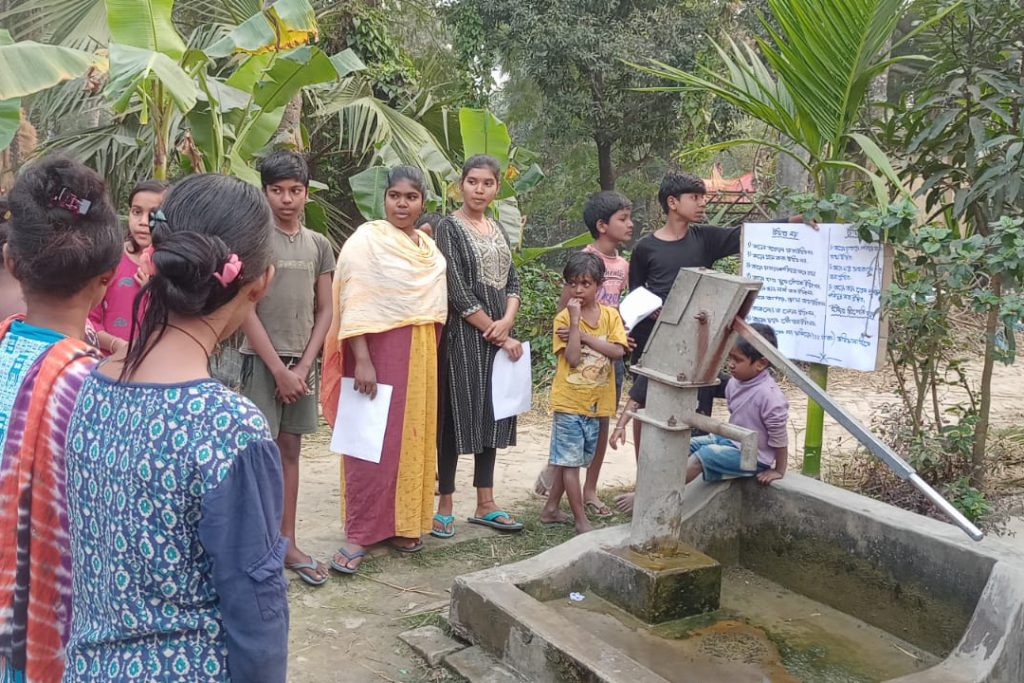
- Water User Committees: Members of eight committees and their families now keep tubewell platforms clean, hold regular meetings, deposit subscriptions in banks, and save water. Adolescent collectives initiated this effort and are encouraging new committees. Two additional committees are gradually becoming fully functional.
- Support: Adolescent collectives are creating posters on water management, while the gram panchayat supports tubewell repairs for committees that contribute funds.
Addressing Social Issues and Gender Norms
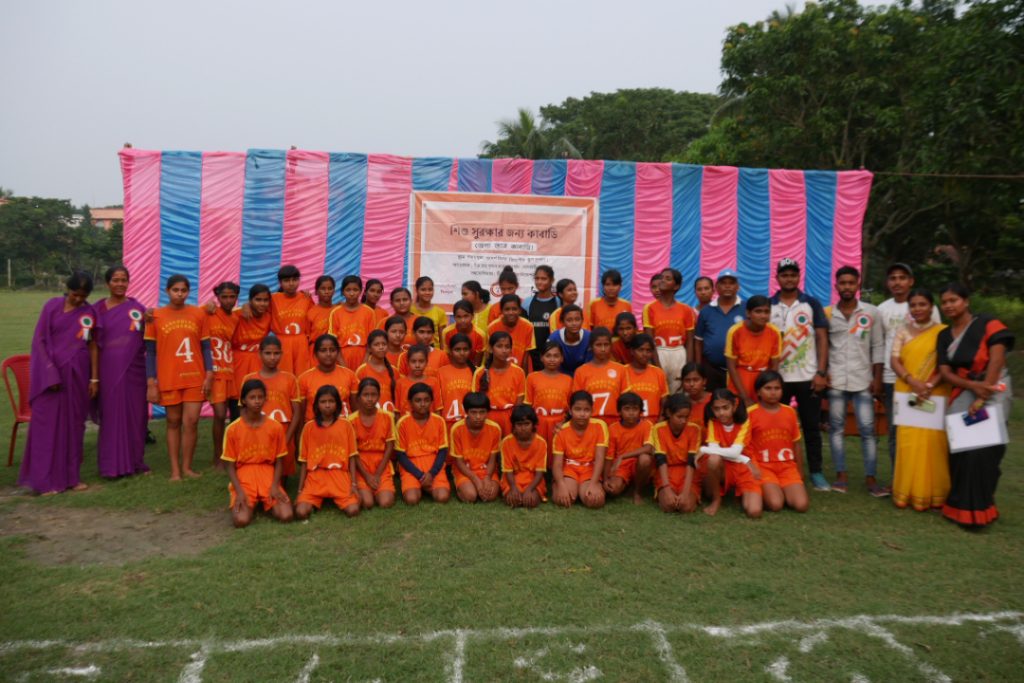
Communities are tackling child marriage, school dropouts, and gender disparity.
- Child Marriage and Dropouts: Adolescent groups have raised awareness through wall writings and parent discussions.
- Case Study: With support from a local influencer, a girl forced to drop out of Class IX was re‑admitted to school and is now regular in her studies.
- Transformation Stage: Guardians’ behaviour has begun shifting (Stage 1), with practices gradually scaling up across four villages.
- Participatory Action Research (PAR): An adolescent girl collective in Ramnagar Abad is studying early marriage and elopement using PAR tools such as problem trees, risk analysis, and stakeholder mapping. Evidence has been shared with gram panchayat members, ASHA, AWWs, parents, and influencers.
Community Leadership and Participation
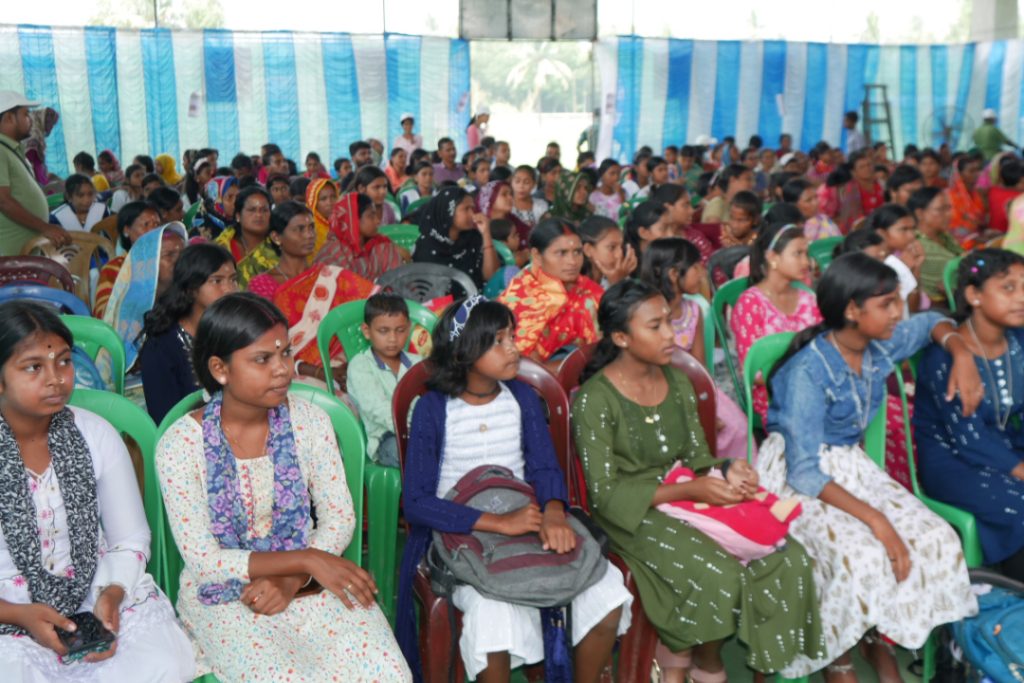
Project members have overcome shyness and fear, gaining confidence to lead collective events.
- Events: Since 2021, adolescent, women, and farmers’ collectives have celebrated Children’s Day, International Women’s Day, and World Environment Day, engaging the gram panchayat.
- Behavioural Changes: Members now confidently perform recitations, songs, and role plays, and share personal transformation stories.
- Leadership Stages: 88 members are actively protesting injustice, 102 are progressing, and 200 are at the initial stage.
- Recognition: One adolescent girl from the climate club presented at a national seminar on climate change in Jamshedpur, earning appreciation and rewards. The club also campaigns for eco‑friendly festivals and events.
Accessing Social Entitlements and Services
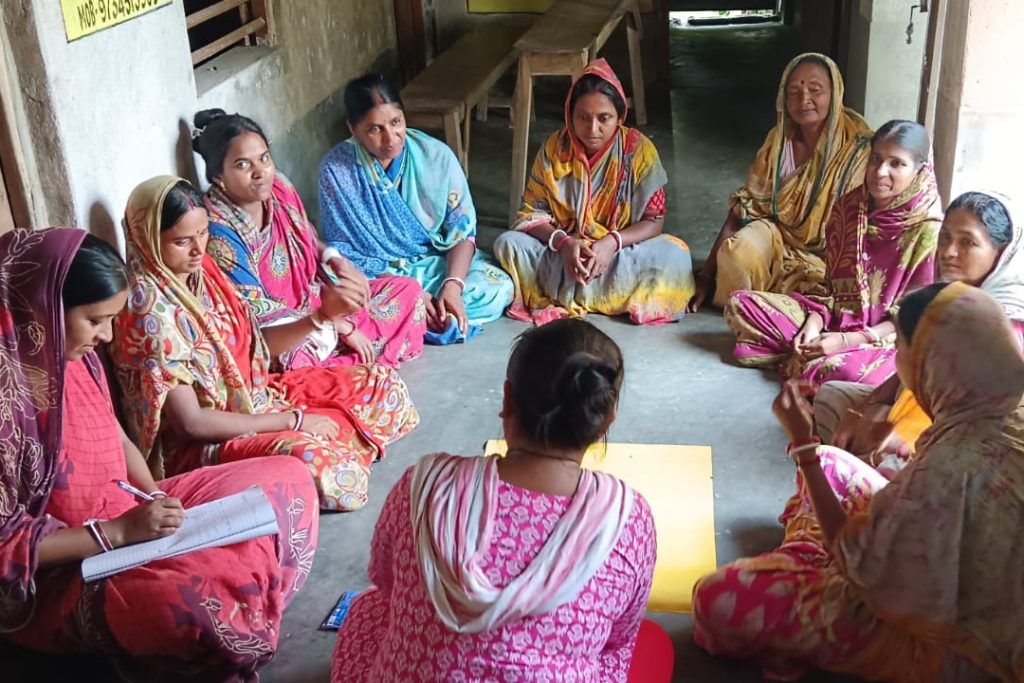
Communities are learning to access government schemes and services.
- ICDS: Women’s collectives studied issues in 13 centres, collected data from mothers and AWWs, validated findings, and shared evidence with stakeholders for solutions.
- Agriculture Services: Farmers’ collectives have visited government offices since 2022 to apply for training, inputs, and machinery. Women farmers have engaged with the ADA office for training and soil testing.
- Panchayat Engagement: Adolescents lead Sishu Sansads (Children’s Parliament), raising demands for canal renovation, streetlights, and sanitary pad vending machines. Several demands have already been met.
- Community Assemblies: Women and farmers’ collectives are increasingly participating in parabaithak, sansad sabha, and gram sabha meetings, voicing collective needs and exploring livelihood opportunities.
Climate Change Resilience and Livelihoods
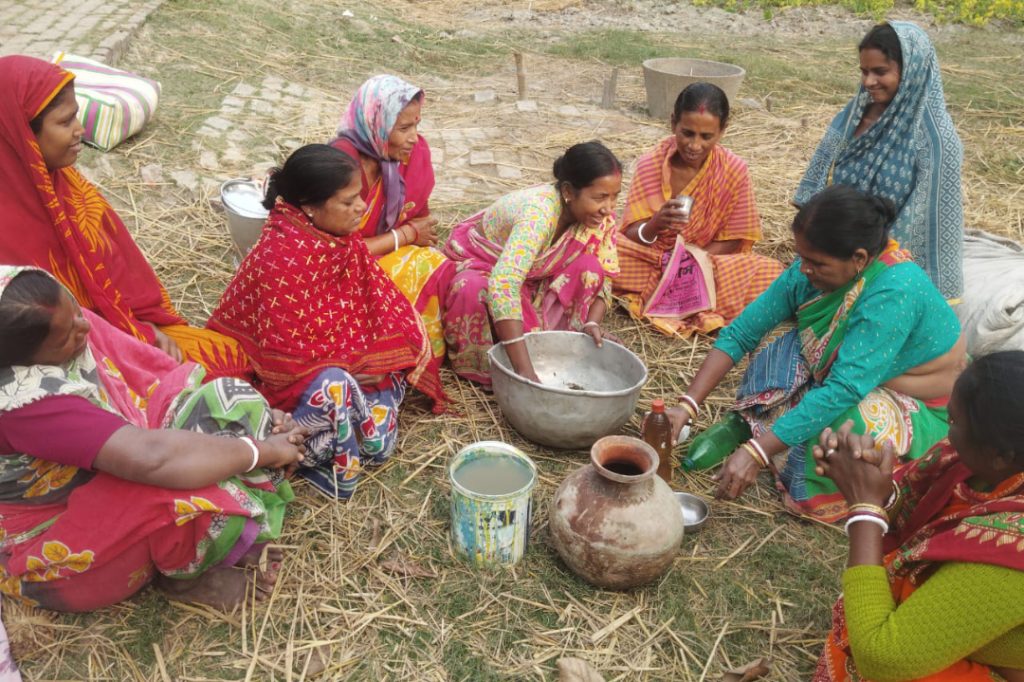
Communities are adopting sustainable agricultural practices to build resilience.
- Organic Farming: 101 families practice organic farming, composting, and seed preservation. Forty women farmers are gaining recognition as earning members.
- Nutrition Gardens: 75 farmers created model gardens in the kharif season and 76 in the rabi season, using circle beds and sack culture. Some women earn income from surplus vegetables.
- Seed Preservation: 45 women farmers have preserved indigenous seeds, reducing market dependence and strengthening food security.
Challenging Gender Norms
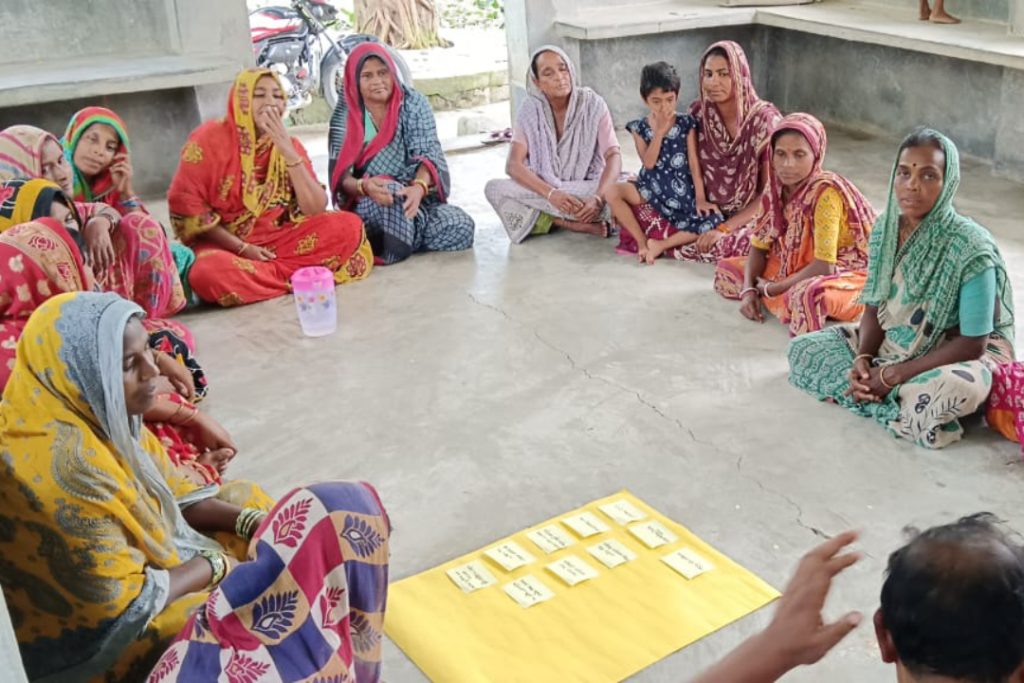
Adults and adolescents are beginning to question gender disparity and social norms.
- Questioning Norms: Women and adolescents are challenging gender roles and initiating dialogue within families.
- Transformation Stage: This shift is at Stage 1, as communities begin building a gender perspective.
- Child Protection: The project is strengthening child protection committees across 22 sansads. 110 gram panchayat members have been trained, and the panchayat is playing a key role in mitigating child abuse.